Hot off the presses: TTG olive oil

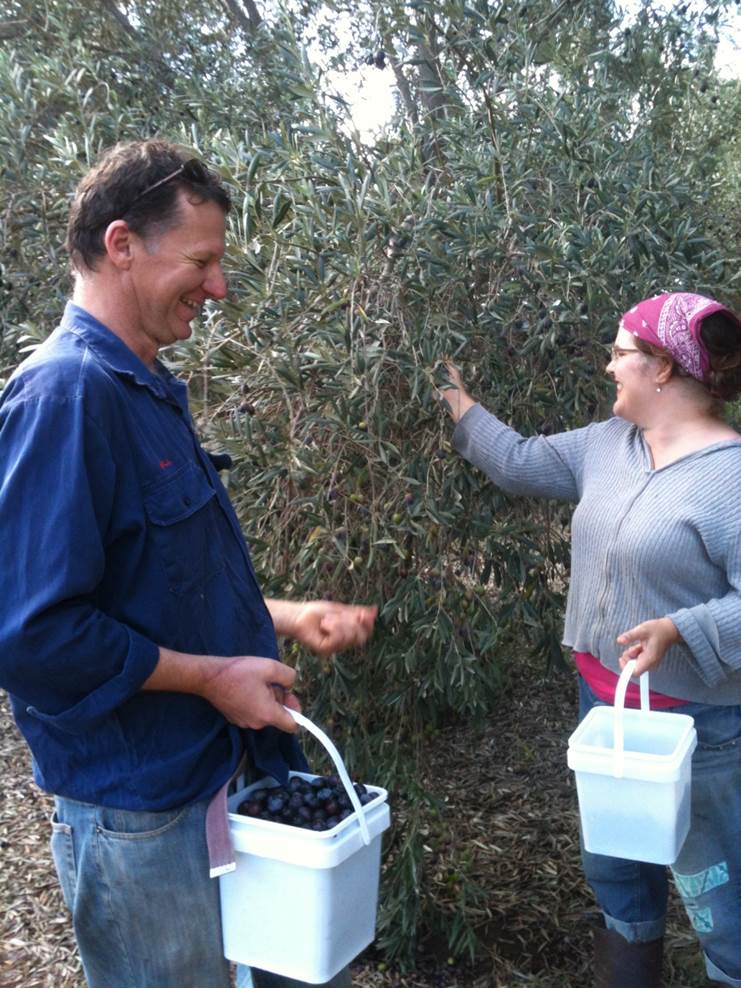
Recently, a small group of TTG members ventured forth to gather a very special type of seasonal produce: olives. Image

The sandy soils and Mediterranean climate of the Perth region create a perfect growing environment for these plants, and in the space of a few short hours the foraging party was able to accumulate quite an impressive haul: 140 kilos! Image

The next step was to deliver the bounty to Jumanga Olives in Carabooda for processing. It seems we were not the only ones who were keen on obtaining some fresh oil—there was quite a queue of olives! Image

We were asked to return for our oil 3 days later. Our pickings yielded 23 lovely litres of liquid gold which then needed to settle for a further 3-4 weeks.  Different varieties will each produce a unique blend, and it is suggested to include up to 30% green fruit in order to optimise flavour. Image

It is very satisfying that a few hours of easy work with friends can yield such productive results. There must be many more opportunities like this which are “ripe for the picking”, and if we can work together then we can also share the fruits of our labours.

Kitchen Gardeners do sourdough and soup

This was one of the more anticipated workshops of the year, one that’s been in planning since December when we happened to meet Keith.

Keith has been making his own sourdough for at least 17 years, much to the delight of his family and friends.  It was most gracious of him to agree to not only teach us how to make a mouthwatering loaf, but to share his sourdough starter – the mother.

IMG_1302Due to time constraints, (sourdough bread first prove takes about six hours) Keith brought three loaves already baked, and one ready to go into the oven.

He also took us through making a loaf from scratch.


IMG_1304

Since it was winter and nobody needs an excuse for soup to go with really fresh bread, we also had soup.  Two different kinds: tomato and leek and bacony pumpkin.

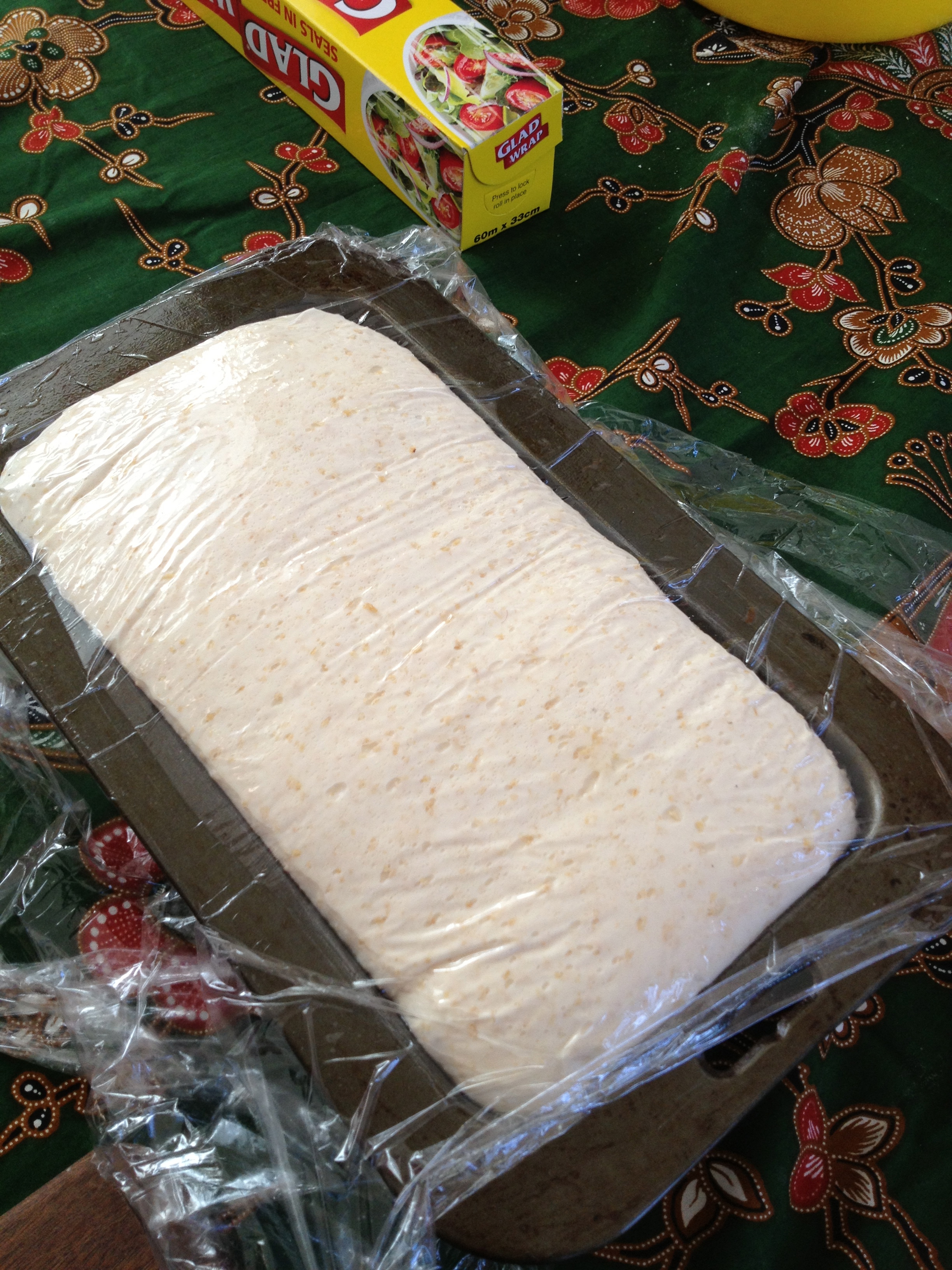
To make your own sourdough bread, you’ll need two cups of sourdough mother, to which you add another two cups of organic flour.  Stone ground is best, but don’t put more than one cup of wholemeal flour in unless you like quite a heavy loaf.  Add one teaspoon each of salt and sugar, mix with your hands, adding a little more flour if the dough is too sticky.  Knead lightly on floured board, then rub the inside of your mixing bowl with a little oil, put the dough back in the bowl, cover with cling film or a wet tea towel and leave it to prove.

Keith suggests you do this bit before work, leave it to prove while you’re at work and it should be ready for the next step when you get home.

Knock the dough down and give it a light knead, then put it in an oiled or floured loaf tin, cover with damp cling film or a wet tea towel and leave it another hour or two to double in size.

When it’s twice its original size, bake about 25 minutes in a 260 degree oven.  You’ll know it’s done by the gorgeous smell coming from your oven, it’s golden and crisp on top and sounds hollow when you tap it.
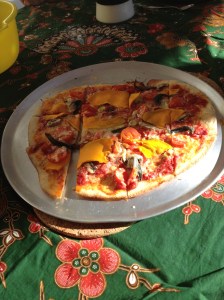
IMG_1307

If you happen to have a bit of leftover dough, this makes excellent pizza!


Tomato and leek soup serves four

8 tomatoes, halved
handful fresh thyme
1 large leek, sliced finely
1 tablespoon butter
sliver preserved lemon
500ml vegetable stock
salt and pepper

Place tomato halves, cut side up on a bed of thyme sprigs, sprinkle with salt and pepper and roast for about four hours in a slow oven

Saute leek in butter with a bit more thyme until it just starts to caramelise, stir through finely chopped preserved lemon.

Add tomatoes, then stock and simmer for about 20 minutes until all vegetables are thoroughly cooked.

Whiz in the blender (or with a stick blender) adjust seasoning and serve with fresh sourdough bread.

Backyard chicken keeping course kicks off in the City of Swan

Did you know that one backyard hen can recycle 150 kg of kitchen waste per year AND give you up to 200+ wholesome yummy eggs per year in exchange? Wow!

This is just a taste of what folks in the city of Swan are learning about reviving the art of backyard hen keeping.

Sunny Side Up tours Erica's in Lockridge

Sunny Side Up tours Erica’s in Lockridge

Last week, Transition Town Guildford was very excited to start our pilot training project, ‘Sunny Side Up: Reducing household waste with backyard chooks’ with the support of the WA Waste Authority and Men of the Trees.

25 novice households from the City of Swan are in the process of learning about What Hens Really Want. Our first workshop focused on the welfare aspects of pen space and design, and how to use recycled materials for construction. Participants learned the difference between commercial ‘cage laid’, ‘barn laid’ and ‘free range’ space allowances, and how this translated into options for welfare-friendly backyard enclosures. Last weekend, we toured the backyards of 4 generous locals with a range of housing types all constructed simply and inexpensively from recycled parts. Everyone is now busy building their own hen houses and pens ready to receive their clutch of 3 project hens next month.

Our next workshop in June will focus on feeding, health and husbandry. In the meanwhile, we have a growing brood of hens and pullets agisting and adjusting at Peter’s place awaiting rehoming with our course participants. Each household will receive a retired ex-battery hen (plenty of life and future egg-laying yet to be enjoyed), a young commercial pullet about to begin laying eggs for the first time, and a heritage breed hen. Course participants are sure to enjoy getting to know the personalities and foibles of their new pets in due course. Stay tuned for more updates from Sunny Side Up in the City of Swan

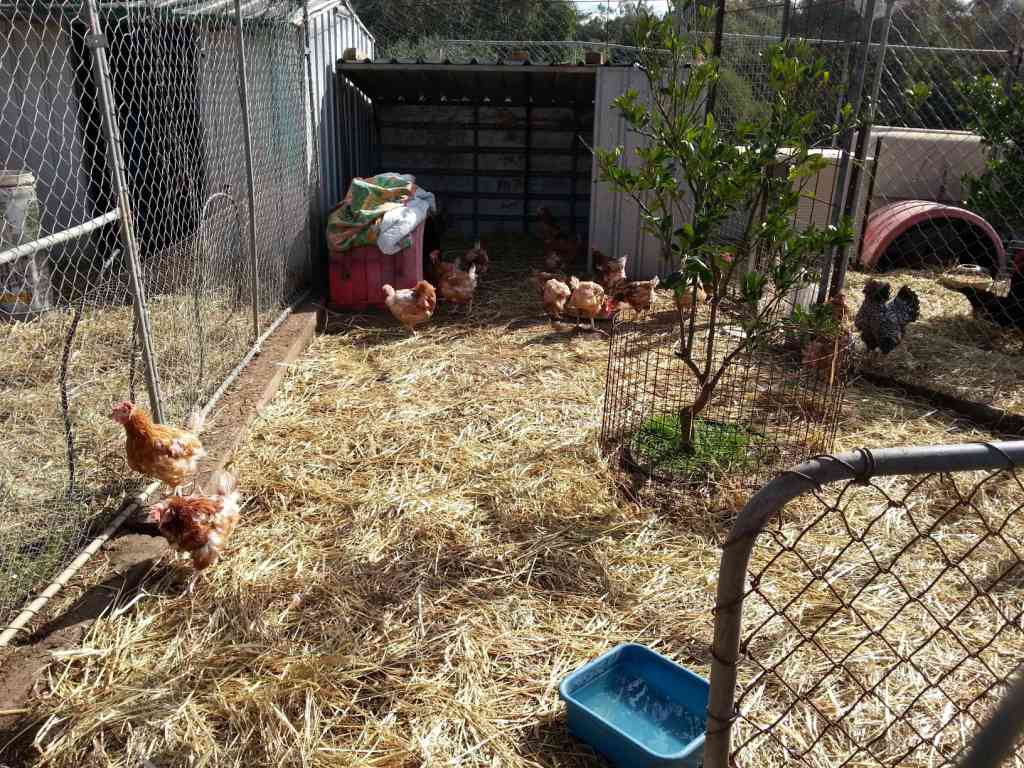
Retired commercial cage laying hens getting used to the outdoor life at Peter's

Retired commercial cage laying hens getting used to the outdoor life at Peter’s